
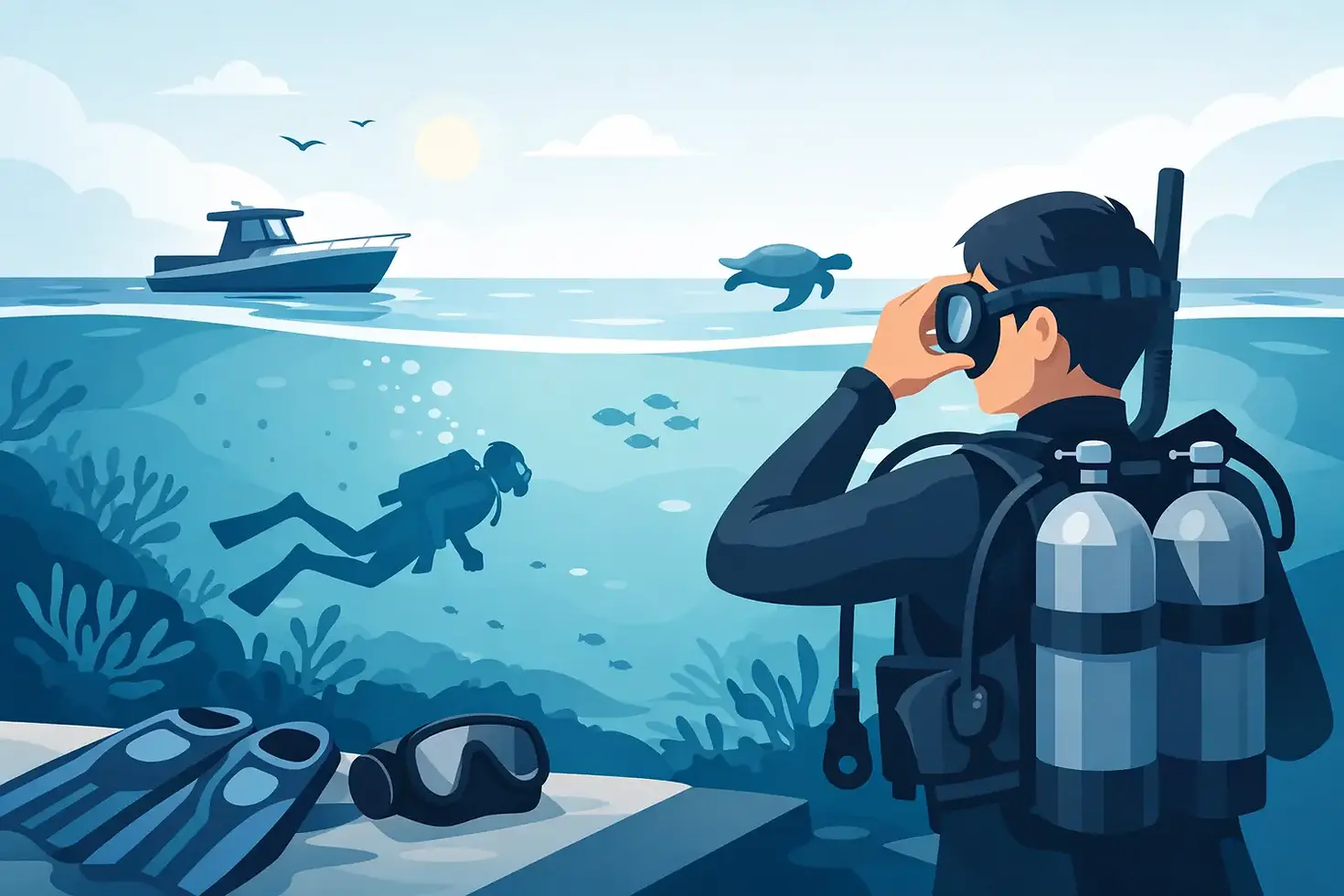
How to Start Scuba Diving With Confidence

That first breath underwater is the moment everything changes. The noise drops away, your movements slow down, and a completely different world opens up beneath the surface. If you’ve been wondering how to start scuba diving, the good news is that you do not need to be an elite swimmer, a gear expert, or a lifelong ocean athlete to begin. You need the right instruction, the right mindset, and a dive team that takes safety as seriously as adventure.
For most beginners, the biggest barrier is not fitness or age. It is uncertainty. People worry about breathing underwater, getting the equipment wrong, or feeling overwhelmed in open water. Those concerns are normal. Good scuba training is built to address them step by step, so your first experience feels structured, supported, and exciting instead of intimidating.
How to start scuba diving the smart way
The smartest way to begin is not by buying gear or booking a random dive trip. It starts with choosing a professional training center that follows recognized standards, uses well-maintained equipment, and teaches with patience. A proper introduction to scuba should feel calm, clear, and confidence-building from the first briefing onward.
If you are completely new, your first move is usually a beginner experience such as a try dive or discovery session. This gives you a controlled introduction to breathing, buoyancy, and underwater communication without committing to a full certification on day one. It is the fastest way to find out whether scuba feels natural to you, and for many people, that first session is all it takes to know they want more.
If you already know you want to get certified, the next step is an entry-level course such as the PADI Open Water Diver program. This is the standard starting point for recreational divers around the world. You will learn the theory behind pressure, breathing, and dive planning, then practice core skills in confined water before moving into open water dives. It is designed for beginners, not experts, and a good instructor will pace the process around your comfort level.
Your first scuba experience: try dive or full course?
This depends on your personality, schedule, and confidence in the water. A try dive is ideal if you are curious but not ready to commit. It gives you a low-pressure starting point and a chance to see whether you enjoy the sensation of being underwater with scuba equipment. It is also a great option for travelers, couples, or friends who want a shared adventure without immediately signing up for a full course.
A full certification course makes more sense if you are serious about diving regularly, traveling to dive destinations, or joining guided shore and boat dives in the future. Certification opens the door to much more than a one-time experience. It gives you the training to dive with a buddy, continue into advanced courses, and build real confidence in different conditions.
There is no single right answer here. Some people benefit from easing in with a discovery dive, while others prefer to start with structure and work toward a qualification right away. What matters is beginning with support, not pressure.
What you actually need before your first dive
One reason scuba feels more accessible once you get started is that you do not need to show up knowing everything. A reputable dive center will guide you through the equipment, explain each part, and fit it to your body properly. For a first experience or beginner course, rental gear is usually the best option because it lets you learn what works before you spend money on your own setup.
At the beginning, you mostly need a swimsuit, a towel, and a willingness to listen carefully. Your instructor will handle the setup process and teach you what the mask, regulator, buoyancy control device, fins, tank, and gauges do. This is not about memorizing gear jargon on day one. It is about understanding enough to feel safe and in control.
The one area where beginners should be honest is comfort in the water. You do not need Olympic-level swimming ability, but you should be reasonably comfortable floating, moving through the water, and following instructions calmly. If you feel anxious in deep water, that does not automatically rule scuba out. It simply means your training needs to be paced well.
What scuba training feels like for beginners
A lot of people imagine scuba training as intense, highly technical, or physically punishing. In reality, a well-run beginner course is progressive. You learn one skill at a time, repeat it until it feels manageable, and build confidence through repetition.
Your early lessons usually cover basic breathing, mask clearing, regulator recovery, buoyancy control, equalizing pressure, and hand signals. These are not random drills. They are the skills that make diving feel easy and safe later on. When taught properly, they turn uncertainty into familiarity.
This is also where instructor quality matters. A strong instructor does more than demonstrate skills. They read your pace, spot hesitation early, and explain things in a way that clicks. For beginners, that human side of training makes a huge difference. You want professionalism, yes, but you also want calm energy and clear communication.
How to start scuba diving if safety is your top concern
That is exactly the right mindset. Scuba is adventurous, but it is not casual in the careless sense. The best dive experiences come from serious preparation, strong standards, and instructors who never cut corners.
Safety starts before the water. You should expect a proper briefing, gear checks, a review of hand signals, and a clear plan for the session. You should know what to do if your mask fills with water, how to signal discomfort, and how to stay close to your instructor or buddy. Good dive centers make these steps feel reassuring, not dramatic.
It also helps to understand that beginner dives are controlled by design. You are not being dropped into a challenging offshore site on your first day. Training begins in conditions chosen to help you focus on the basics. As your skills improve, your diving environment can expand with you.
Learning to dive in Qatar
Qatar offers a surprisingly compelling place to begin your scuba journey, especially if you want your first dives to come with local insight instead of generic tourism. The Persian Gulf has its own character. Visibility can vary, water temperatures shift by season, and local marine life, reefs, and wrecks create a very different experience from tropical postcard diving.
That is not a drawback. It is part of the appeal. Learning in real conditions with experienced local professionals can make you a more adaptable diver from the start. You gain practical awareness, not just a certificate. For residents, expats, and travelers based in Doha, it also means diving can become an ongoing lifestyle, not a one-off holiday activity.
A family-run PADI 5 Star IDC Dive Center with strong local knowledge can make that first step much easier. Nomadik Hub, for example, combines beginner training with guided access, reliable rental support, and a strong community feel, which matters when you are trying something new and want to keep progressing.
After certification: what comes next?
This is where scuba becomes more than a course. Once certified, you can join guided dives, explore shore and boat sites, and start building experience in different environments. Some new divers are happy doing relaxed recreational dives on weekends. Others quickly move toward specialties like deep diving, wreck diving, nitrox, rescue, or even technical pathways later on.
There is no rush. New divers often improve fastest when they spend time simply diving, practicing buoyancy, and getting comfortable underwater. More courses can absolutely help, but confidence usually grows through repetition and exposure, not certificates alone.
The social side matters too. Diving is easier to stick with when you have a community around you. That might mean joining local trips, diving with the same instructors, or becoming part of a tribe that shares your appetite for adventure and respects the discipline behind the sport.
Common beginner mistakes to avoid
The first is rushing. Some people want to power through training, buy every piece of gear immediately, and jump into bigger dives before the basics feel natural. That usually leads to stress, not progress.
The second is choosing based on price alone. A cheap session can become expensive if the equipment is poor, the briefing is weak, or the supervision is thin. In scuba, value comes from standards, instructor attention, and trust.
The third is comparing yourself to other divers too early. Some people adapt to buoyancy in a single session. Others need more time. Both are normal. Scuba rewards patience.
If you are serious about how to start scuba diving, start with curiosity, train with professionals, and give yourself room to grow into it. The ocean does not ask you to be perfect on day one. It asks you to show up ready to learn. Join the tribe, take that first breath underwater, and let the adventure begin.


Comments